Emergency vs. Routine Maintenance: What’s the Difference and When to Act
Building maintenance is a critical part of owning or managing any property, whether it’s a residential, commercial, or strata-managed building. But not all maintenance is the same, some issues require urgent attention, while others can be planned and scheduled. Understanding the difference between emergency repairs and routine maintenance is key to ensuring your property remains safe, functional, and cost-efficient.
At P1 Building & Maintenance Group, we help property owners and managers across South Australia respond to urgent repairs while staying on top of their long-term maintenance plans. In this blog, we’ll break down the differences between emergency and routine maintenance, why both matter, and when to take action.
What are Emergency Repairs?
Emergency repairs refers to unexpected issues that pose an immediate risk to safety, security, or significant property damage. These are problems that can’t wait and require prompt response, typically within a few hours to 24 hours to prevent further loss or injury.
Common examples include:
- Burst pipes or major water leaks
- Electrical faults that cause power loss or fire risk
- Storm damage (e.g., fallen trees, broken windows, roof leaks)
- Sewage backups or major plumbing blockages
- Structural damage that affects building stability
- Fire damage
- Security breaches, such as broken locks or doors
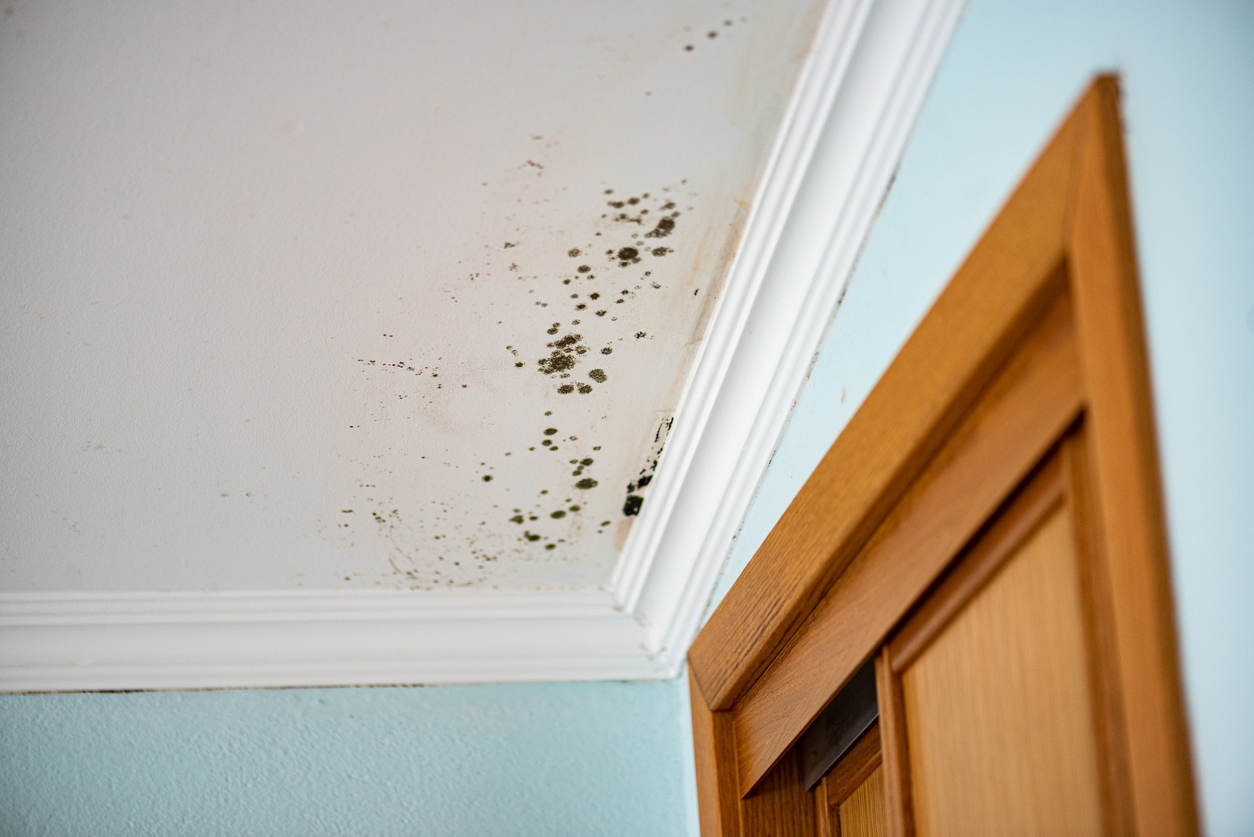
In these cases, fast action is critical. Delays can result in more extensive damage, increased repair costs, or health risks (like mould growth).
At P1, our team is ready to handle emergencies and ensure your property is safe and secured before moving on to permanent repairs.
What is Routine Maintenance?
Routine maintenance, also known as planned or preventative maintenance, involves regular upkeep tasks that keep your building in good condition and prevent small issues from becoming emergencies.
Examples include:
- Annual servicing of HVAC, plumbing, and electrical systems
- Roof and gutter cleaning
- Repainting and sealing surfaces
- Replacing worn fixtures and fittings
- Testing fire safety systems
- Condition reports and compliance checks
- Landscaping and exterior upkeep
Routine maintenance is typically scheduled based on seasonal needs, manufacturer recommendations, or building compliance requirements. It may not seem urgent, but neglecting these tasks often leads to emergency call-outs later.
Key Differences at a Glance
| Emergency Repairs | Routine Maintenance |
| Reactive and unplanned | Proactive and scheduled |
| Requires immediate action | Can be booked in advance |
| Addresses safety or damage risks | Focuses on prevention and upkeep |
| Often more costly due to urgency | More cost-effective over time |
| Includes call-out fees and fast repair | Includes inspections and minor repairs |
Why Knowing the Difference Matters
Understanding whether an issue is an emergency or routine helps you make informed decisions and allocate resources effectively.
For example:
- A minor water leak under a sink can be scheduled for routine repair.
- A burst pipe flooding the kitchen requires immediate emergency attention.
Making the right call ensures:
- No unnecessary delays for critical repairs
- Reduced damage and risk
- Less disruption to tenants, customers, or building occupants
- Lower overall maintenance costs through better planning
When to Act: Signs You Need Emergency Repairs
Not sure if it’s an emergency? Ask yourself:
- Is anyone’s safety at risk?
- Is the damage worsening rapidly?
- Is water, electricity, or access compromised?
- Will delaying repairs result in greater damage or legal consequences?
If the answer is “yes” to any of the above, it’s time to call P1 for emergency building repairs.
We can quickly dispatch licensed trades to assess the damage, secure the area, and begin immediate repairs, minimising disruption and restoring safety fast.
How Routine Maintenance Prevents Emergencies
A large portion of emergency repairs can be avoided with proper routine maintenance. For instance:
- Regular roof inspections catch cracked tiles before a storm causes a major leak.
- Electrical safety checks identify outdated wiring before it sparks a fire.
- Servicing plumbing systems helps detect slow leaks or pressure issues early.
By keeping a maintenance schedule, you save money, protect your asset, and avoid the stress of last-minute emergency repairs.
Working with a Partner Who Does Both
Many property owners and managers struggle to balance the demands of emergencies with the consistency of routine maintenance. That’s why it’s essential to work with a full-service provider like P1 Building & Maintenance Group.
We handle both:
- Fast, compliant emergency response services, available 24/7
- Comprehensive routine maintenance, fully managed and reported
Our team covers all trades, including plumbing, electrical, carpentry, painting, and more. So you only need one point of contact to keep your property in top shape.
Final Thoughts
The difference between emergency and routine maintenance isn’t just about urgency, it’s about strategy. Responding quickly when issues arise is crucial, but preventing those issues through regular maintenance is just as important.
With P1 Building & Maintenance Group on your side, you can rely on responsive support when it matters most and a smart plan that keeps your property protected all year round.